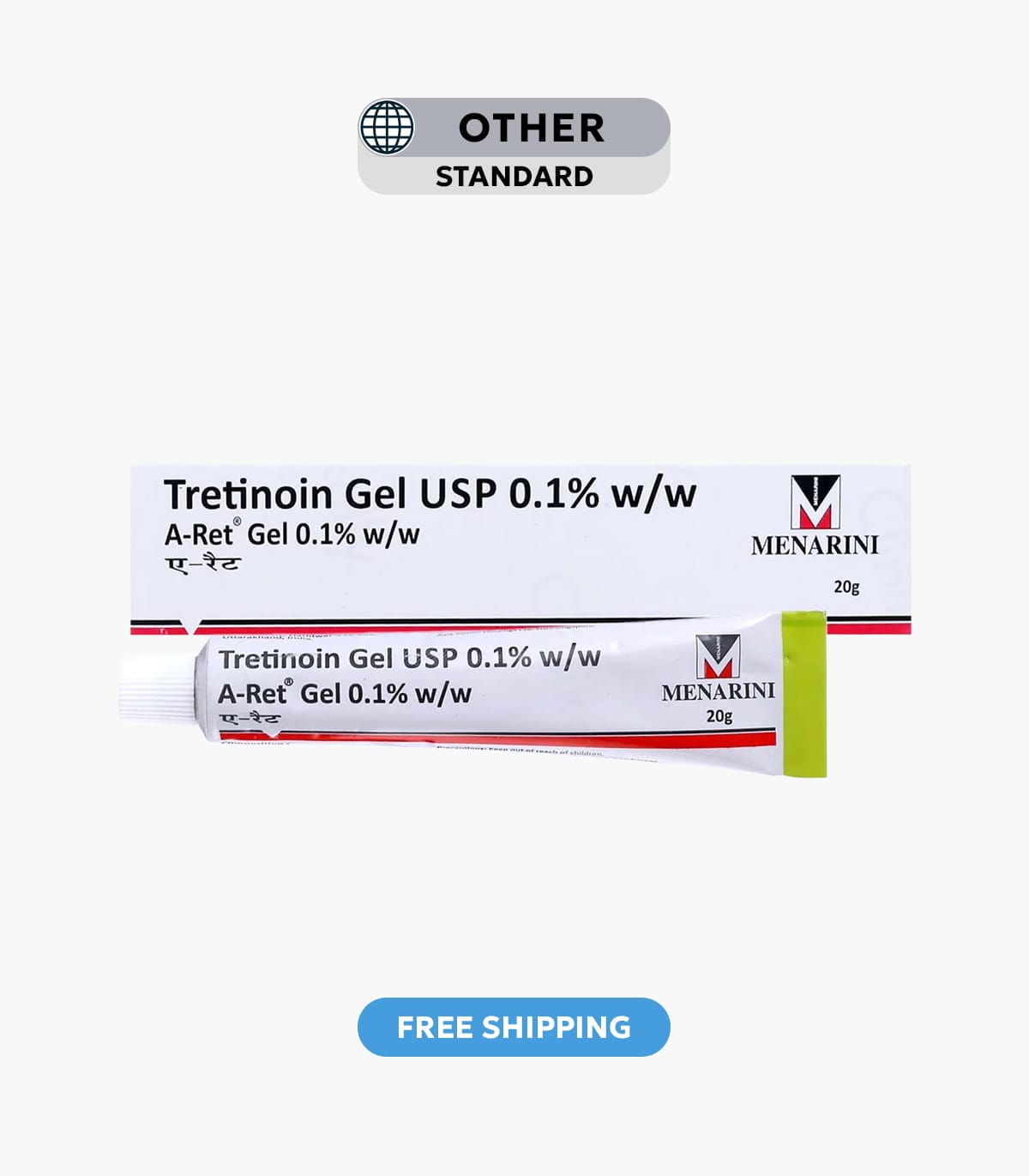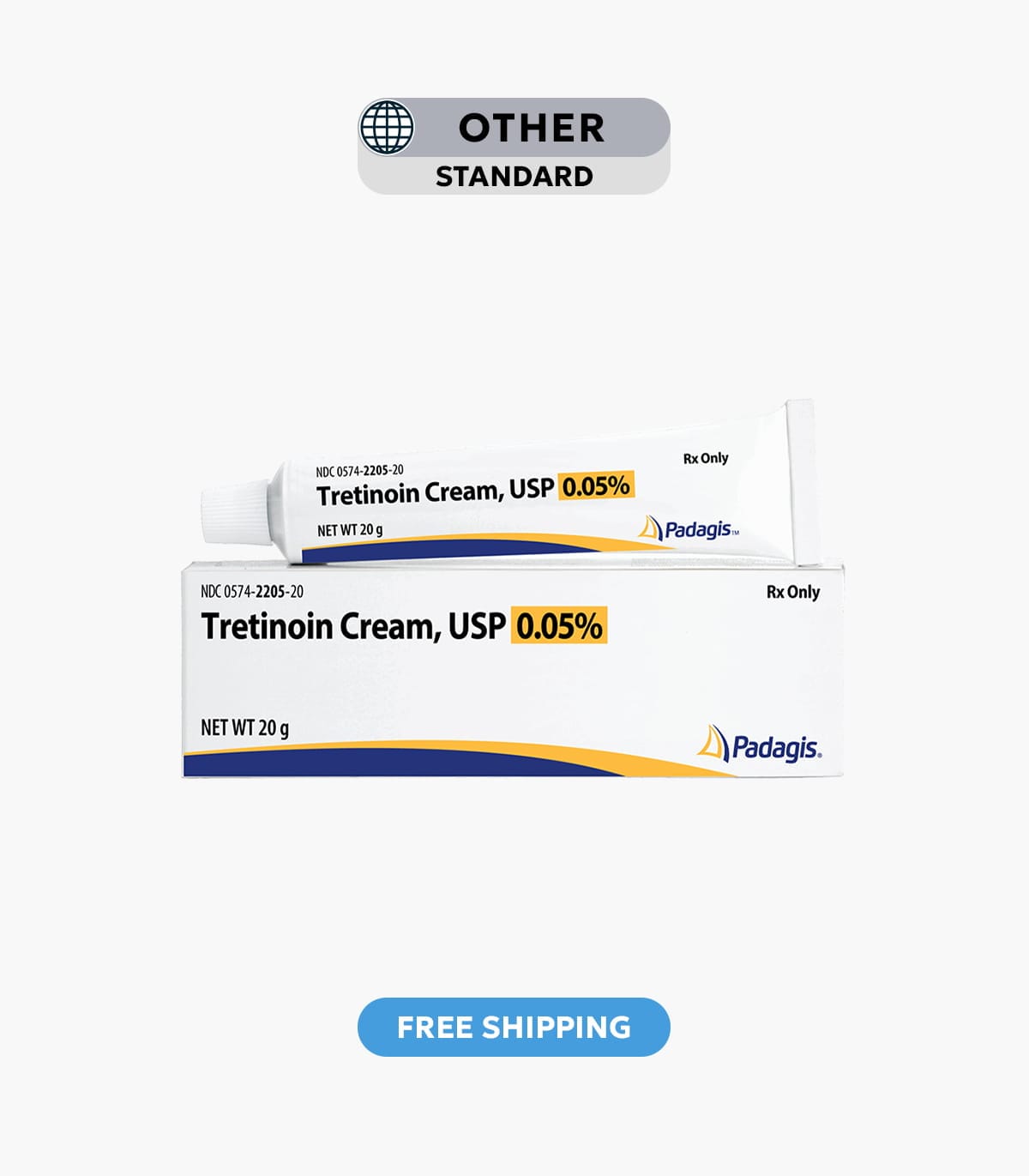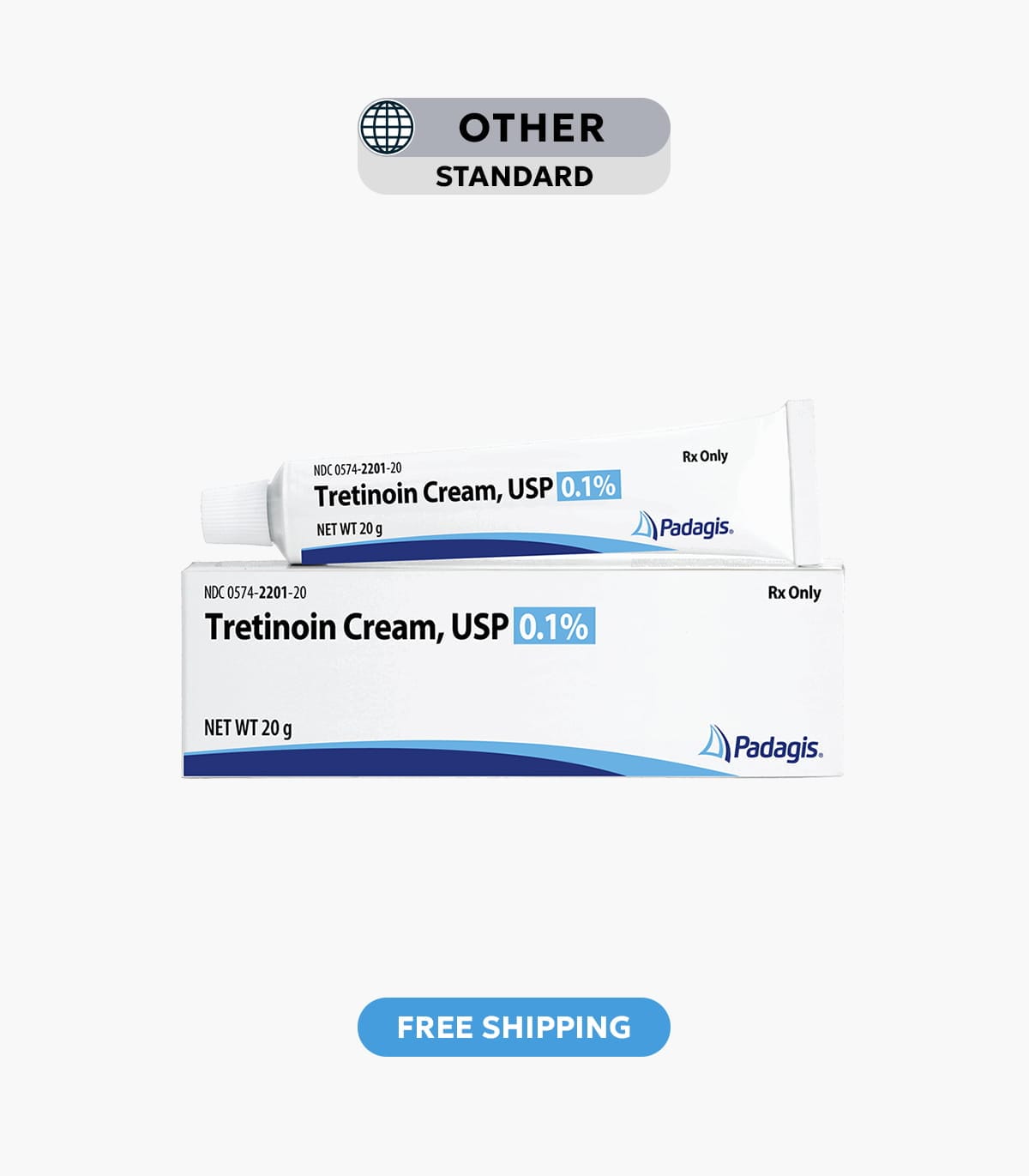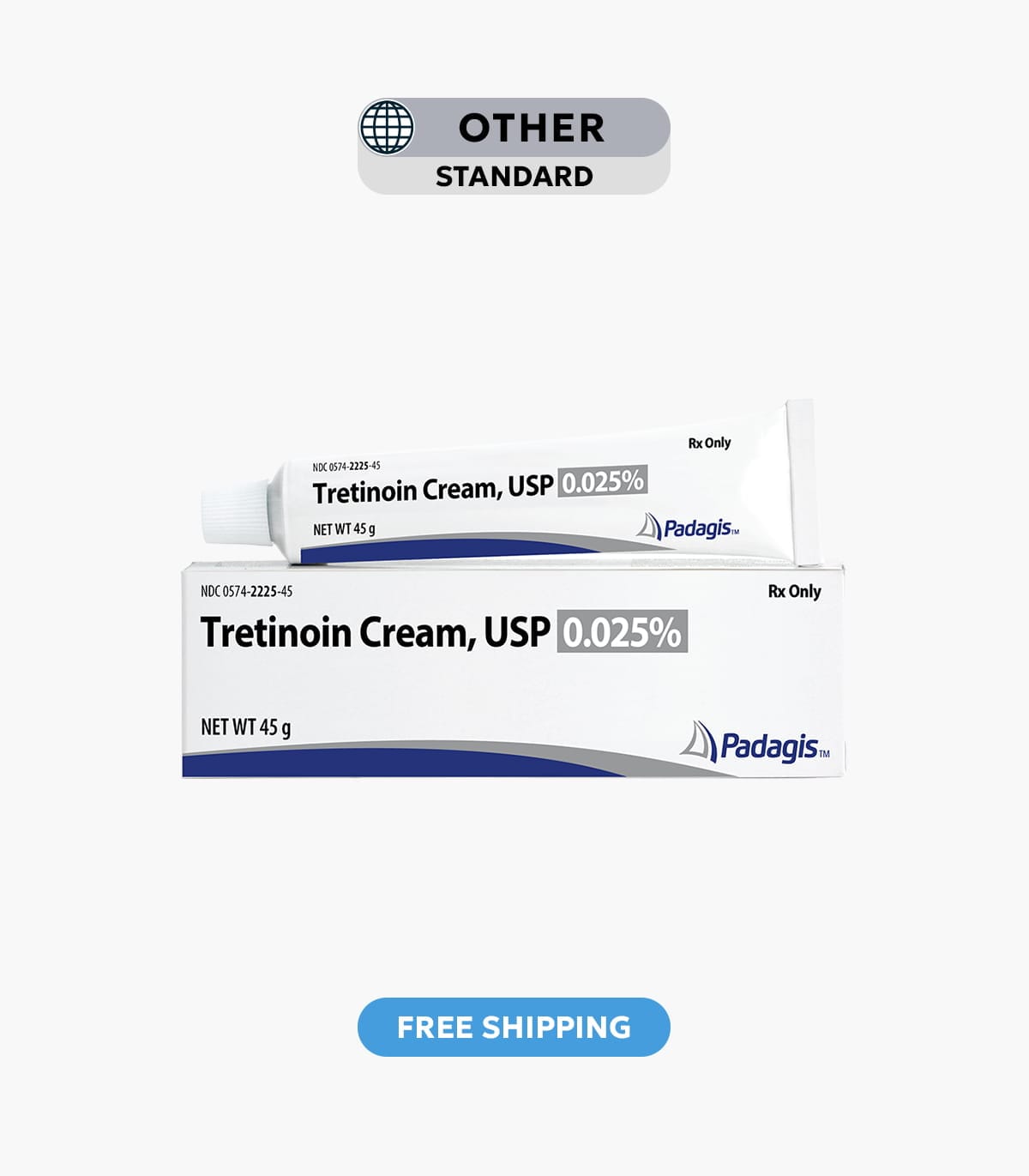
A-Ret Tretinoin Gel
Tretinoin (often labeled as 0.1% tretinoin cream/gel) is a derivative of vitamin A widely used in dermatology. It is prescribed by healthcare professionals to treat acne, support skin cell turnover, and help improve the appearance of fine lines, uneven skin tone, and texture.
Tretinoin works by accelerating skin cell renewal and unblocking pores, which can reduce acne formation and support clearer, smoother skin over time.
$60.00 – $397.00Price range: $60.00 through $397.00
* The information on this page is a summary and is not intended to cover all available information about this medication. It does not cover all possible uses, directions, precautions, drug interactions or adverse effects and is not a substitute for the expertise and judgement of your healthcare professional.
Everything You Need To Know
Tretinoin 0.1% is a vitamin A–derived topical retinoid widely used in dermatology to treat acne, improve skin texture, and support healthy cell turnover. It works by accelerating skin renewal, unclogging pores, and gradually reducing the appearance of fine lines, uneven tone, and discoloration.
This higher-strength formulation is typically used under medical supervision and introduced gradually to minimize irritation. Consistent use over several weeks can lead to smoother, clearer skin. Sun protection is essential during treatment to protect sensitive, renewing skin.
Follow your healthcare provider’s guidance for safe and effective application.
When prescribed appropriately, tretinoin may help with:
Acne management – reducing formation of new lesions and promoting clearer skin
Improvement in skin texture – smoothing fine rough patches and uneven surface
Evening of skin tone – helping fade mild discoloration or post-inflammatory marks
Support of collagen production – aiding long-term skin firmness and elasticity
The benefits are gradual and typically become more noticeable after 8–12 weeks of consistent use.
General guidance (medical context):
Apply a pea-sized amount to the affected area once daily at night, unless directed otherwise by your clinician.
Begin with lower frequency (e.g., every other night) to assess tolerance.
Use a gentle, non-comedogenic moisturizer and broad-spectrum sunscreen daily — tretinoin increases photosensitivity.
Avoid harsh cleansers, abrasive scrubs, or waxing on treated areas without clinician approval.
Always follow your dermatologist’s specific instructions on dosage, application frequency, and duration.
Before using tretinoin, a healthcare provider will assess:
Skin sensitivity and history of reactions
Use of other topical products (e.g., benzoyl peroxide, AHAs/BHAs)
Pregnancy or plans to become pregnant (tretinoin is typically avoided in pregnancy)
Concurrent medical conditions or medications
Possible side effects can include:
Redness, dryness, peeling, or irritation (most common at start)
Increased sensitivity to sunlight
Rare allergic reactions
If severe irritation occurs, discontinue use and consult your clinician.

Reviews
Clear filtersThere are no reviews yet.