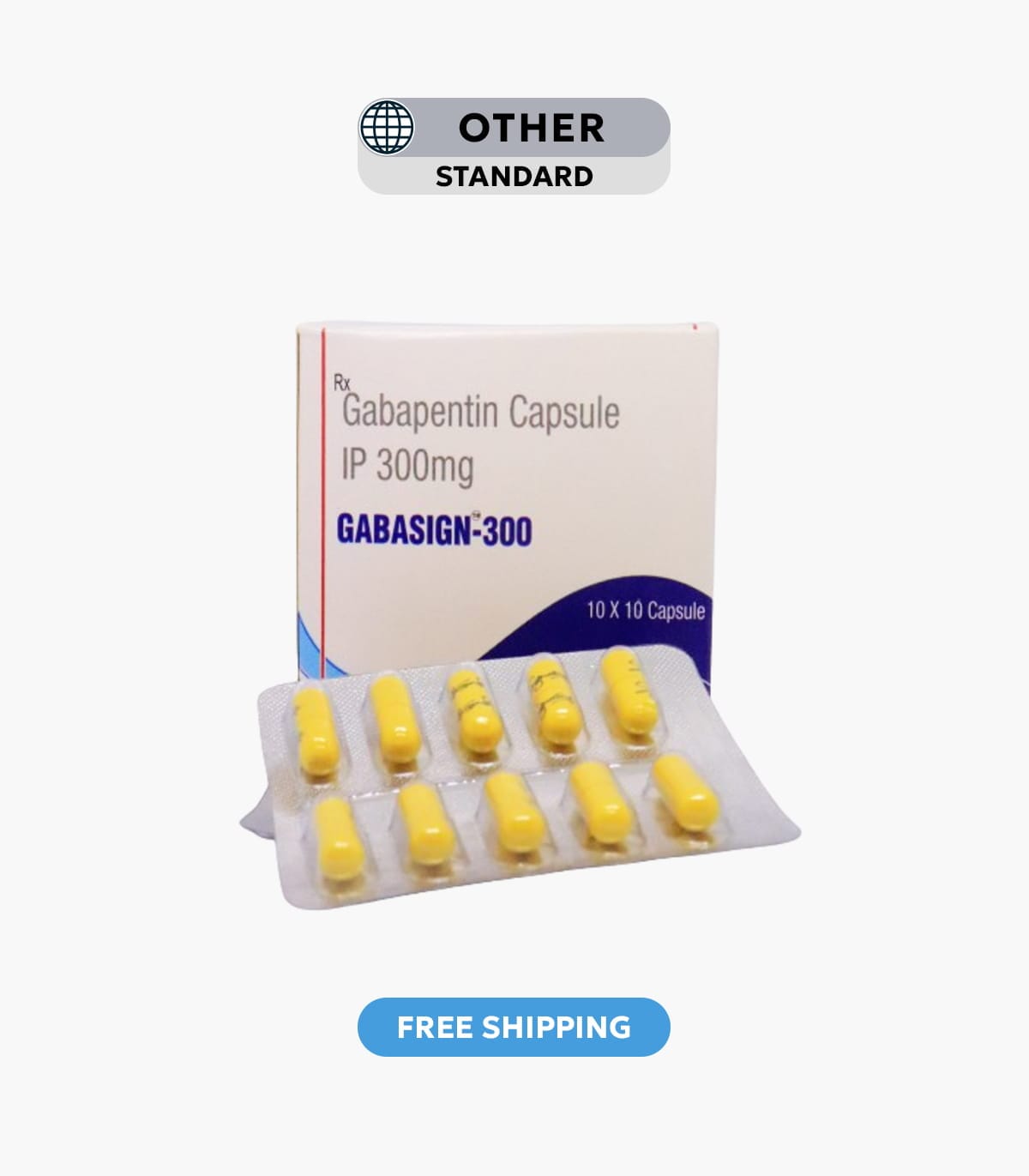
Gabasign 300mg (Gabapentin Capsule IP)
Gabasign (Gabapentin 300 mg Capsules) contain gabapentin, a prescription medication widely used in clinical practice to support management of certain neurological conditions. Gabapentin is structurally related to the neurotransmitter gamma‑aminobutyric acid (GABA) and acts on specific pathways in the nervous system.
It is commonly prescribed for nerve‑related pain, certain seizure disorders, and as part of individualized treatment plans where a clinician deems it appropriate. Use of gabapentin should always follow a healthcare provider’s directions regarding dosage, scheduling, and duration.
$58.00 – $261.00Price range: $58.00 through $261.00
* The information on this page is a summary and is not intended to cover all available information about this medication. It does not cover all possible uses, directions, precautions, drug interactions or adverse effects and is not a substitute for the expertise and judgement of your healthcare professional.
Everything You Need To Know
Gabapentin 300 mg is a prescription medication known for its role in supporting neurological function, particularly in conditions involving abnormal nerve signaling or electrical activity within the nervous system. It works by modulating certain calcium channels in neurons, which can reduce abnormal firing patterns linked to pain transmission and seizures.
Although gabapentin shares some structural similarity with GABA, it does not act directly as GABA in the brain but influences neural mechanisms that help calm hyperexcitable nerve pathways.
When prescribed by a qualified healthcare provider, gabapentin may support the management of:
Neuropathic pain, including post‑herpetic neuralgia (pain following shingles) and other nerve‑related pain conditions
Adjunctive therapy for certain seizure disorders in adults and children
Off‑label uses as directed by clinicians for specific neurological or pain conditions
Note: Gabapentin is not effective for general pain unrelated to nerve pathways.
Gabapentin should be taken exactly as prescribed by your healthcare provider:
Take capsules with or without food, according to your clinician’s instructions.
The dose may start lower and increase gradually to reduce the likelihood of side effects.
Never adjust your dose or stop the medication abruptly without consulting your clinician, as this can lead to withdrawal symptoms or worsening of your condition.
Use the medication consistently at the same times each day for best effectiveness.
Your healthcare provider will determine the appropriate dosage and scheduling based on your condition, response to treatment, and overall health.
Before starting gabapentin, it’s important to discuss the following with your healthcare provider:
Medical history: Inform your provider about any history of kidney disease, mood disorders, or respiratory conditions.
Allergies: Share any known drug allergies.
Pregnancy/Breastfeeding: Gabapentin should be used during pregnancy or breastfeeding only if clearly needed and under clinician supervision.
Interactions: Some medications or supplements can interact with gabapentin — always disclose your full medication list.
CNS Effects: Gabapentin may cause dizziness, drowsiness, or balance issues; avoid driving or operating heavy machinery until you understand how it affects you.
Possible side effects may include dizziness, fatigue, swelling in extremities, or coordination problems. If you experience serious symptoms such as difficulty breathing, severe rash, or mood changes, seek medical assistance immediately.


Reviews
Clear filtersThere are no reviews yet.